.webp)








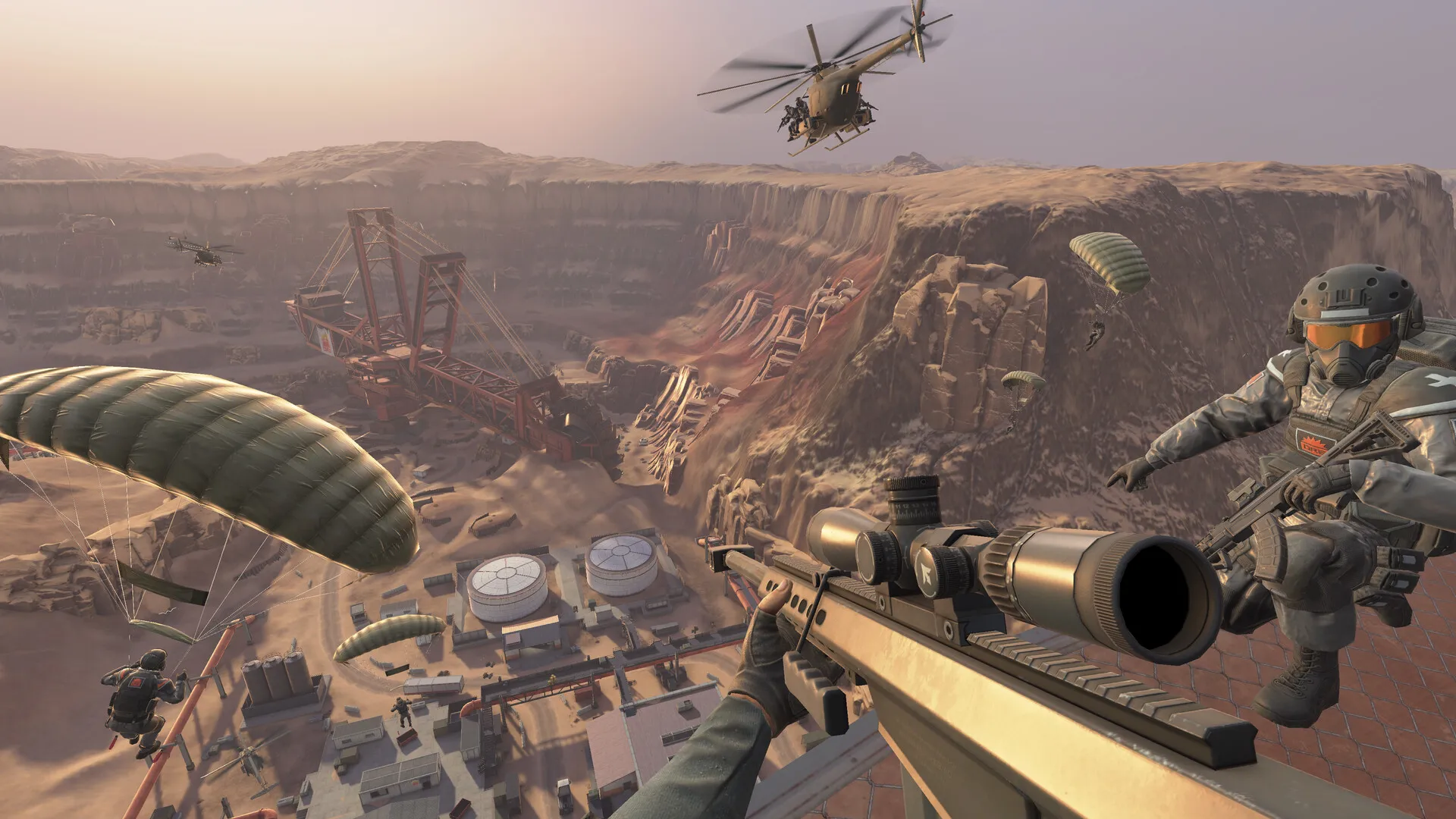
Forefront is a large-scale VR military shooter developed by Triangle Factory, featuring 32-player warfare, tactical infantry combat, land/sea/air vehicles, and semi-destructible environments. The game emphasizes teamwork, positioning, and role specialization over pure aim skill.
Unlike traditional arcade shooters, Forefront combines Battlefield-style warfare with immersive VR mechanics. This guide is structured chronologically—from your first deployment to advanced vehicle and squad optimization—so you can survive longer, improve consistency, and contribute effectively to your team.
1. Understanding the Core Battlefield Structure
Forefront is objective-focused. Players who chase kills without supporting objectives usually lose matches.
The game revolves around:
- Sector control
- Squad coordination
- Vehicle pressure
- Resource positioning
Large-scale combat creates chaotic engagements, so awareness matters more than raw aggression.
Core Gameplay Loop
- Spawn with squad
- Push objectives
- Secure territory
- Reinforce weak sectors
- Maintain pressure
Beginner Priority Rule
Do not play solo early.
Stay near teammates until:
- You understand map flow
- You learn spawn routes
- You recognize vehicle danger zones
Forefront rewards coordinated movement heavily.
2. Choosing the Right Class Early
Forefront includes multiple combat classes with specialized gadgets and weapons.
Each class supports different playstyles.
Beginner-Friendly Classes
Best starting roles:
- Assault
- Medic
These provide:
- Straightforward weapon handling
- High frontline value
- Easier learning curve
Avoid Starting with Recon Immediately
Recon requires:
- Positioning discipline
- Map knowledge
- Precision aim
New players often struggle with sniper tunnel vision.
3. Mastering VR Gunplay Fundamentals
Forefront’s weapon handling is immersive but accessible.
Unlike flat-screen shooters:
- Recoil feels physical
- Reloading requires coordination
- Positioning affects aim stability
Core Gunplay Principles
Focus on:
- Controlled bursts
- Shoulder stabilization
- Short exposure peeks
Reloading Discipline
Reload:
- Behind cover
- Before pushing objectives
- During downtime
Never wait until empty during open combat.
Community impressions consistently praise the gunplay’s tactile feel and realism balance.
4. Learning Map Flow and Objective Control
Map awareness separates strong players from average ones.
Large maps contain:
- Vehicle lanes
- Sniper sightlines
- Infantry chokepoints
- Flanking routes
Objective Strategy
When attacking:
- Push from multiple angles
- Use smoke or suppression
- Avoid stacking one doorway
When defending:
- Control elevation
- Watch flank entries
- Preserve spawn access
Common Beginner Mistakes
- Running across open fields
- Ignoring side routes
- Overcommitting after capturing objectives
Momentum shifts quickly in large-scale warfare.
5. Vehicle Warfare and Survival
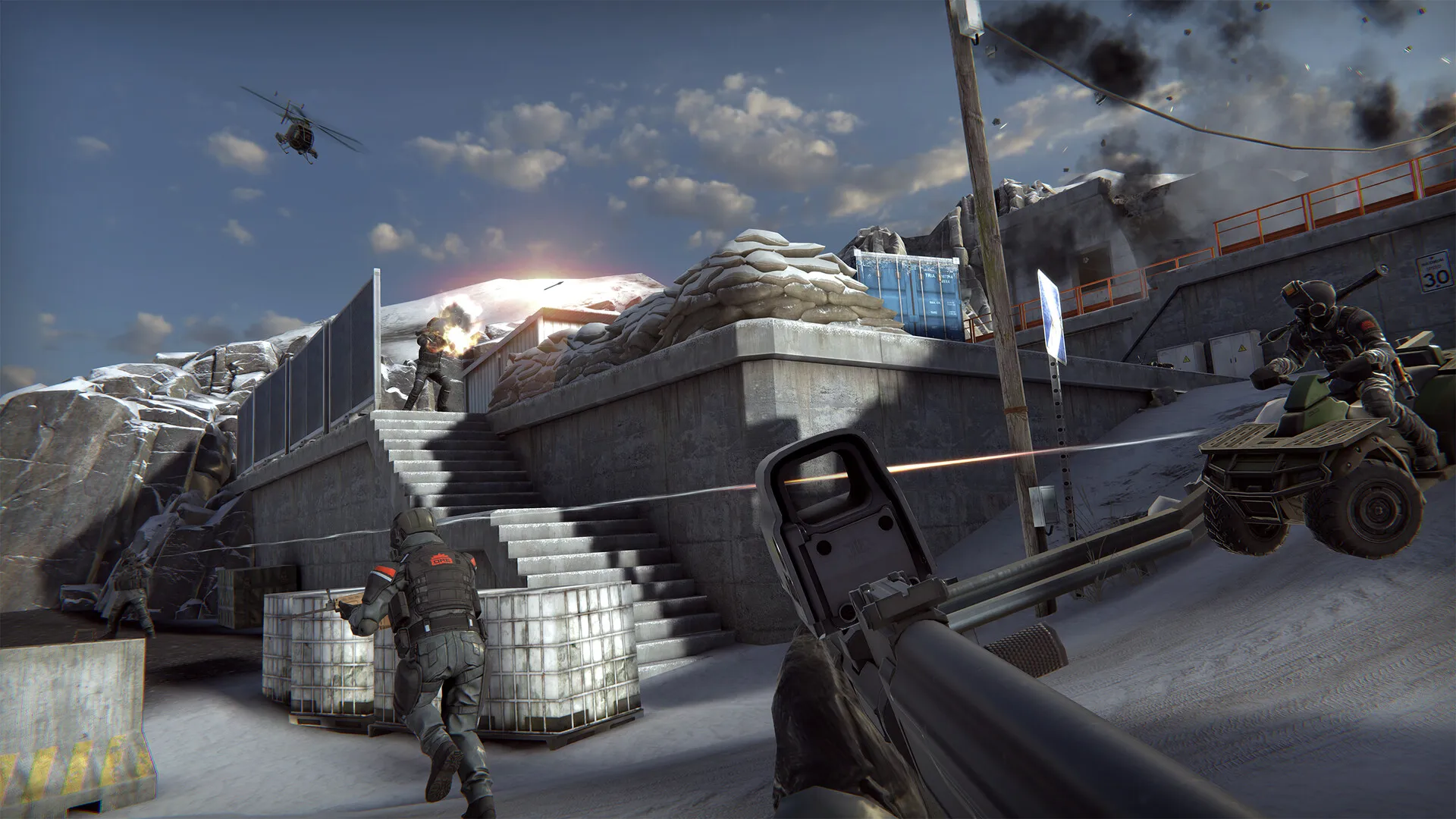
Vehicles are a major part of Forefront’s battlefield design. Players can operate helicopters, tanks, boats, and transport vehicles.
Vehicle Priority System
Strongest battlefield impact:
- Helicopters
- Tanks
- Transport vehicles
- Boats
Beginner Vehicle Advice
Start with:
- Passenger roles
- Ground vehicles
- Simple transport tasks
Avoid flying helicopters immediately unless practicing in training areas.
The developers improved helicopter controls significantly after community feedback.
6. Squad Coordination and Teamplay Optimization
Forefront is heavily team-oriented.
Even skilled shooters struggle alone against organized squads.
Effective Squad Roles
Strong compositions include:
- Assault frontline
- Medic sustain
- Engineer anti-vehicle
- Recon intel support
Communication Priorities
Call out:
- Vehicle movement
- Enemy flanks
- Objective pressure
- Spawn threats
Efficient communication wins more fights than raw mechanics.
Players frequently praise the teamwork and battlefield-style coordination.
7. Positioning and Survival Strategy
Survival matters more than constant aggression.
VR visibility and physical aiming make exposed positioning extremely dangerous.
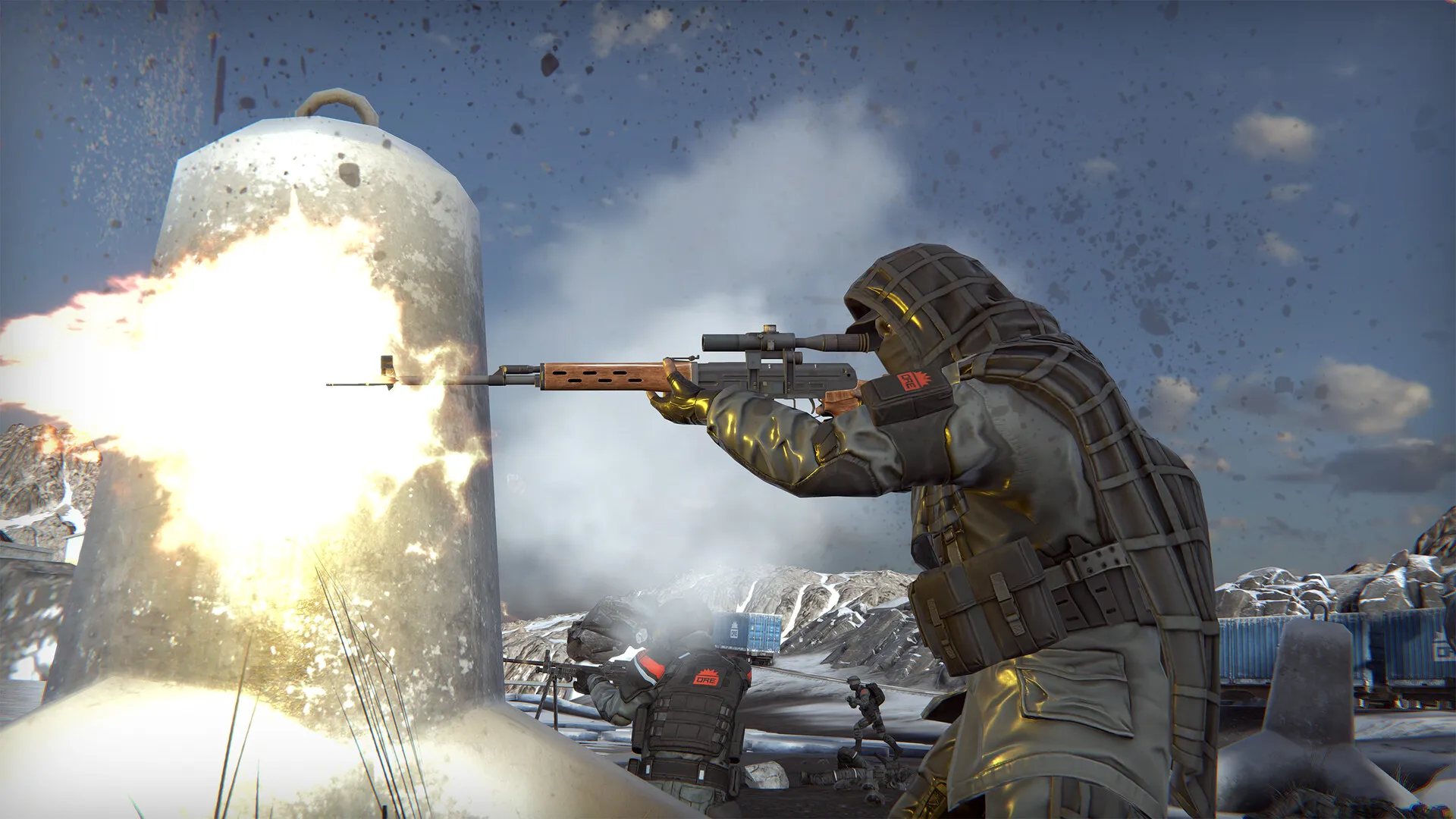
Strong Positioning Habits
Use:
- Cover transitions
- Elevated angles
- Side flanks
- Destructible structures
Exposure Management
Only expose:
- Small firing angles
- Brief peek windows
Long open engagements attract multiple enemies quickly.
8. Advanced Combat Techniques
As skill improves, efficiency becomes critical.
High-level players:
- Pre-aim corners
- Control recoil naturally
- Use movement unpredictably
- Rotate constantly
Tactical Movement
Avoid:
- Straight-line rushing
- Static camping
- Predictable re-peeking
Multi-Target Engagement Rule
Prioritize:
- Closest threat
- Support class
- Vehicle operator
Fast decision-making improves survival dramatically.
9. Optimizing Performance and VR Comfort
VR shooters can become physically exhausting during long sessions.
Some players report motion discomfort during aggressive vehicle combat or fast movement.
Comfort Optimization
Adjust:
- Turning settings
- Movement sensitivity
- Seated/standing configuration
Long Session Management
Take breaks between matches to reduce:
- Motion fatigue
- Aim inconsistency
- Physical strain
Comfort directly affects performance.
10. Endgame Progression and Competitive Mastery
Late-game improvement revolves around:
- Squad leadership
- Vehicle efficiency
- Objective prediction
- Tactical adaptability
Advanced Improvement Checklist
Focus on:
- Map memorization
- Class specialization
- Vehicle counterplay
- Spawn control
Long-Term Mastery Goals
- Master multiple classes
- Learn all vehicle types
- Coordinate full squad pushes
- Maintain consistent objective impact
Forefront’s long-term appeal comes from battlefield chaos combined with tactical coordination. Many players compare it to a true VR Battlefield experience.
Conclusion
Forefront combines immersive VR mechanics with large-scale tactical warfare. Early success depends on squad positioning, class familiarity, and disciplined movement. Mid-game consistency comes from mastering map flow, vehicle awareness, and coordinated objective play. Late-game mastery requires advanced communication, tactical adaptability, and battlefield leadership.
Stay with your squad. Control positioning. Respect vehicles. Prioritize objectives.
Follow those principles, and you’ll become a valuable force on the frontlines of Forefront.