.webp)







REANIMAL is a dark cooperative horror adventure that challenges players not just with grotesque creatures, but with atmosphere, puzzle design, and emotional tension. Unlike traditional survival horror games that rely purely on combat, REANIMAL demands observation, coordination, patience, and environmental awareness. Whether you play solo or in co-op, the game punishes recklessness and rewards calculated movement.
This comprehensive “how to” guide takes you from your first cautious steps into the nightmare to late-game mastery. Structured chronologically, it explains what to focus on at each stage so you can survive longer, solve puzzles faster, and avoid unnecessary deaths.
1. How to Understand the Core Survival Philosophy
Before you even take control of your character, you must understand one fundamental truth: REANIMAL is not about fighting everything. It is about surviving intelligently. The game is designed around vulnerability. Defensive tools are limited, and enemies are often stronger than you.
The first mindset shift is accepting avoidance as victory. Many players fail early because they assume aggression equals progress. In REANIMAL, progress is information—learning patrol routes, identifying environmental clues, and recognizing sound cues.
Core Survival Principles
- Movement is safer than confrontation
- Sound attracts danger
- Light can both protect and expose you
- Exploration rewards patience
Beginner Rule
If you are unsure what to do, wait and observe. Most enemy patterns reveal weaknesses over time.
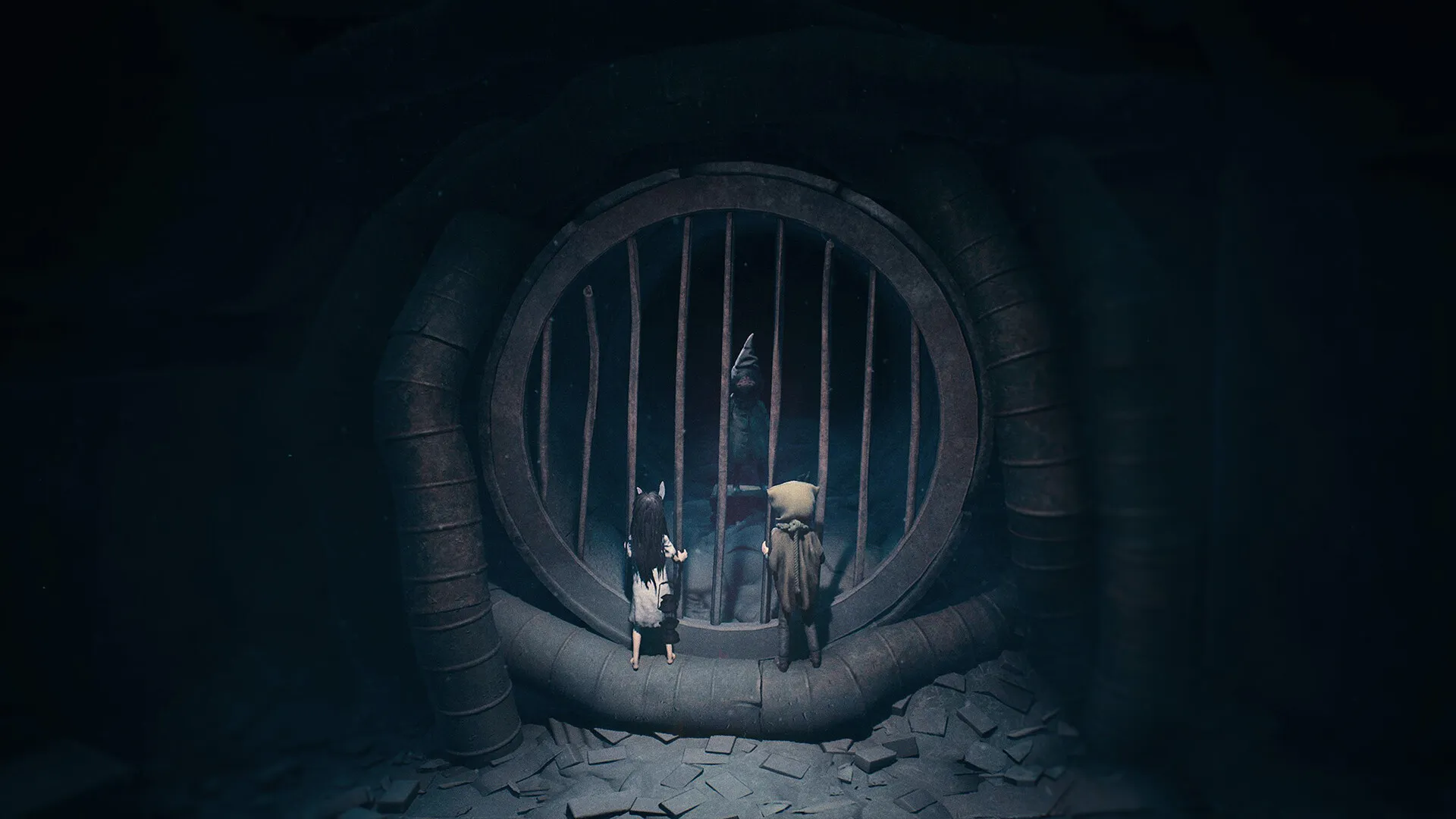
2. How to Navigate the Environment Safely
The environments are layered with verticality, hidden paths, and visual storytelling. Rushing through areas causes you to miss both resources and context.
Pay attention to environmental markers such as broken structures, flickering lights, or subtle color shifts. These often signal safe routes or interactive objects.
Safe Exploration Strategy
- Scan corners before advancing
- Use shadows strategically
- Memorize escape routes before triggering events
Advanced Tip
Backtracking is intentional in many areas. Some locked paths become accessible later, so remember their locations.
3. How to Solve Environmental Puzzles Efficiently
Puzzles are woven directly into the horror atmosphere. They often require observation and sequencing rather than random interaction.
Instead of guessing, analyze environmental clues. Audio hints, scratched markings, and symbolic patterns often guide solutions.
Puzzle Solving Method
- Observe all interactable objects
- Look for repeating symbols
- Test logical combinations
- Coordinate roles in co-op
Common Mistake
Ignoring narrative notes. Many puzzle hints are embedded in environmental storytelling.
4. How to Manage Limited Resources
Resource scarcity defines tension. Health kits, batteries, and defensive tools must be used with restraint.
Early players often waste items during minor encounters. Save critical tools for unavoidable threats or boss-like sequences.
Resource Priority List
- Health restoration
- Light sources
- Emergency defensive items
Efficiency Rule
If you can escape without using an item, do it.

5. How to Survive Enemy Encounters
Enemies are designed around unpredictability. Some rely on sound, others on movement detection or line of sight.
Study behavior patterns instead of reacting impulsively. Many creatures have limited detection angles or cooldown windows.
Encounter Strategy
- Stay calm under pressure
- Break line of sight
- Use environmental obstacles
Avoid This
Do not panic sprint blindly. Noise escalates danger and can trigger chain reactions.
6. How to Play Effectively in Co-op Mode
The game shines in cooperative play, but success depends on communication and role clarity.
Assign responsibilities before entering high-risk areas. Clear coordination reduces confusion during tense moments.
Co-op Role Division
- Scout
- Resource carrier
- Puzzle analyst
- Rear guard
Communication Rule
Short, clear callouts prevent mistakes during high-stress sequences.
7. How to Handle Mid-Game Escalation
As the story progresses, enemy density increases and mechanics become layered. Environmental hazards appear more frequently.
This phase tests your accumulated knowledge. Adaptability becomes more important than speed.
Mid-Game Adjustments
- Slow your pacing
- Reassess inventory before major sections
- Learn multi-threat management
Survival Tip
Retreating temporarily is often smarter than forcing forward movement.
8. How to Prepare for High-Intensity Chase Sequences
Chase sequences are dynamic and punishing. Preparation begins before they trigger.
Identify shortcuts and obstacles ahead of time so you are not making blind decisions under pressure.
Chase Preparation Checklist
- Clear minor obstacles if possible
- Memorize directional turns
- Stay centered in narrow pathways
Mental Control
Maintaining composure improves reaction time dramatically.

9. How to Interpret the Narrative and Hidden Meanings
The story unfolds through environmental storytelling rather than direct exposition. Understanding it enhances both gameplay and emotional depth.
Recurring symbols and visual themes often connect to puzzle logic and future threats.
Story Decoding Tips
- Track recurring imagery
- Connect environmental themes to mechanics
- Analyze character interactions
Why It Matters
Narrative clues can hint at safe zones, enemy behavior, or upcoming danger.
10. How to Master the Endgame and Final Sequences
The final stages combine stealth, puzzle-solving, resource discipline, and emotional control. Mistakes compound quickly.
Preparation and patience matter more than speed.
Endgame Preparation
- Enter with full resources
- Review enemy patterns
- Communicate clearly in co-op
Final Strategy
Precision wins. Rushing leads to failure.
Conclusion
Mastering REANIMAL requires intelligent survival rather than aggression. By understanding core mechanics, managing resources carefully, communicating effectively in co-op, and adapting to escalating threats, you transform fear into strategic control. The game rewards patience, observation, and deliberate movement at every stage. Surviving the nightmare demands preparation and precision—not reckless bravery.