.webp)
Quarantine Zone: The Last Check – The Ultimate Howto Guide to Master This Hot Game
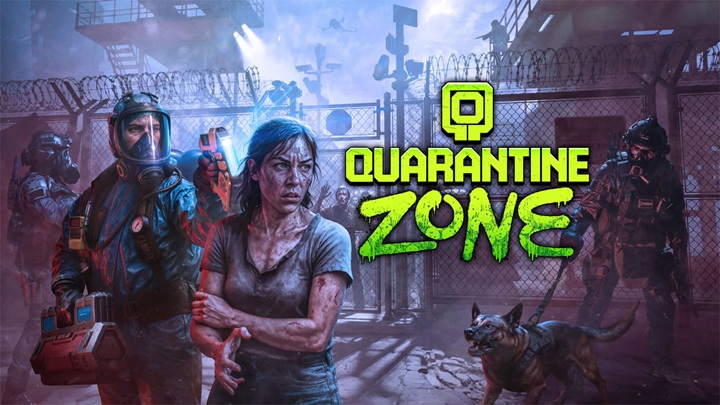
Quarantine Zone: The Last Check is a survival simulation game centered around managing a dangerous quarantine checkpoint during a mysterious outbreak. Instead of simply fighting enemies, players are placed in a position where observation, decision making, resource management, and careful inspection determine whether people are allowed to enter or turned away.
The game combines elements of simulation, survival, strategy, and horror. Every person arriving at the quarantine zone may bring important information, useful supplies, or a potential threat. Players need to examine documents, inspect symptoms, make difficult decisions, and maintain the checkpoint while the situation around them becomes increasingly unstable.
For anyone searching for a howto guide, learning the inspection process, understanding risk, managing limited resources, and making decisions under pressure are essential. This guide explains the main gameplay ideas and strategies for getting started with this hot game.
1. Understanding the Quarantine Zone
The central idea of Quarantine Zone: The Last Check is managing a checkpoint during an outbreak. The player is responsible for inspecting people who arrive at the quarantine area and deciding what happens to them.
The checkpoint may initially appear manageable, but the situation can become increasingly complicated. People may have different symptoms, documents, backgrounds, and circumstances that need to be considered before making a decision.
Main Gameplay Elements
- Quarantine inspection
- Survival simulation
- Resource management
- Decision making
- Document checking
- Symptom observation
- Personnel management
- Dangerous outbreak conditions
- Story-driven events
The game encourages players to pay attention to details rather than making decisions based only on first impressions.
Every Decision Matters
A decision that appears harmless can have consequences later. Allowing a dangerous individual through may increase the risk to the quarantine zone, while rejecting someone unnecessarily may create another problem.
This creates a balance between caution and efficiency. Players need to make decisions based on available evidence rather than guessing.
2. Learning the Inspection Process
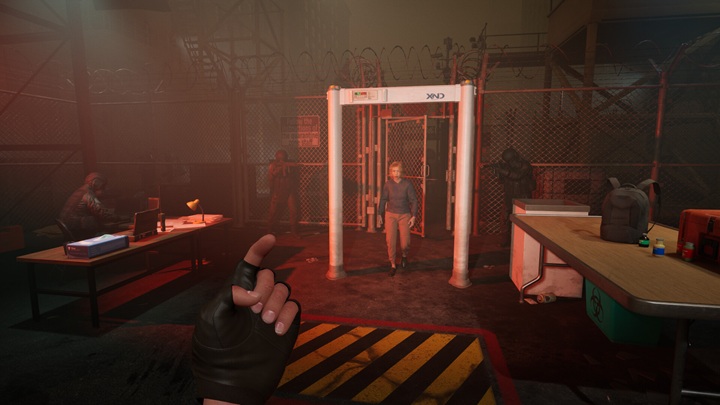
The inspection process is one of the most important mechanics. Before making a decision, carefully examine the information available about each person.
Look at documents, physical characteristics, symptoms, and other details provided by the game.
Basic Inspection Routine
- Examine the person.
- Check available documents.
- Look for inconsistencies.
- Observe symptoms.
- Compare the information.
- Determine the level of risk.
- Make the appropriate decision.
- Monitor the consequences.
Do not rush through inspections simply because a line is getting longer. A single overlooked detail can potentially create a larger problem.
Check for Inconsistencies
Pay attention to information that does not match. A document may contain one detail while the person's appearance or explanation suggests something different.
Treat inconsistencies as reasons to investigate further rather than immediately assuming the person is dangerous.
3. Managing Symptoms and Health Risks
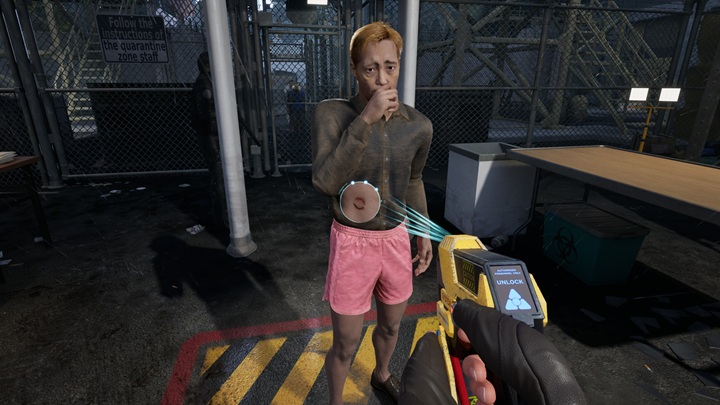
Because the game takes place during an outbreak, identifying potential infection is a central part of the experience.
Symptoms can provide important information, but players should avoid relying on one visual detail alone. Consider the complete situation before making a decision.
What to Observe
- Visible symptoms
- Physical condition
- Behavior
- Medical information
- Reported circumstances
- Changes over time
The challenge is that not every suspicious person is necessarily infected, and not every dangerous situation is immediately obvious.
Avoid Guessing
A strong strategy is to build decisions around evidence. If the game provides multiple inspection tools or information sources, use them before reaching a conclusion.
This makes the inspection process more reliable and reduces unnecessary mistakes.
4. Managing Resources
Survival simulation games often require players to balance limited resources. In Quarantine Zone: The Last Check, resources can become increasingly important as the situation develops.
Do not spend everything immediately. Think about what may be required later.
Resource Priorities
Depending on the current situation, resources may be needed for:
- Medical treatment
- Food
- Equipment
- Personnel
- Security
- Checkpoint operations
- Emergency situations
Before spending a resource, consider whether it solves an immediate problem or simply makes the current situation more comfortable.
Plan Ahead
If supplies are limited, establish priorities. Essential resources should generally be protected for situations where they have the greatest impact.
This becomes increasingly important when the quarantine zone faces multiple problems at the same time.
5. Managing the Checkpoint Efficiently
The checkpoint is more than a place where people are inspected. It is a working environment that needs to remain organized.
Players should try to maintain a balance between inspection speed and accuracy.
Efficiency Tips
- Follow a consistent inspection routine.
- Keep important information organized.
- Avoid unnecessary delays.
- Pay attention to high-risk cases.
- Monitor available resources.
- Check the condition of the checkpoint regularly.
Moving too slowly can create operational problems, while moving too quickly can cause important details to be missed.
The ideal approach is controlled efficiency.
Develop a Routine
A consistent process makes it easier to identify unusual cases. When every inspection follows roughly the same sequence, deviations become more noticeable.
This is especially useful when the game introduces increasingly complicated situations.
6. Making Difficult Decisions
One of the most interesting aspects of the game is decision making. Players may encounter situations where there is no completely comfortable option.
You may need to consider the safety of the quarantine zone while also considering the circumstances of the individual being inspected.
Think in Terms of Risk
Before making a decision, ask:
- What evidence do I have?
- What is the potential risk?
- Can I gather more information?
- What resources are available?
- What could happen if I make the wrong decision?
This approach is more reliable than acting emotionally or making decisions based on a single clue.
Avoid Impulsive Choices
When the situation becomes stressful, players may be tempted to choose the fastest option. However, taking a few extra moments to verify information can prevent larger problems later.
The game rewards attention and consistency.
7. Responding to Emergencies
The quarantine environment can become unpredictable. Emergency situations may interrupt normal inspection procedures and require immediate attention.
When something unexpected happens, prioritize the most urgent threat first.
Emergency Strategy
- Identify the immediate danger.
- Determine what resources are available.
- Protect essential personnel and equipment.
- Resolve the most urgent problem.
- Reassess the checkpoint.
- Resume normal operations when safe.
Do not become so focused on one task that you ignore changes elsewhere.
Stay Flexible
A strategy that works during normal operations may not work during an emergency. Be prepared to change your priorities depending on the situation.
Good resource management is partly about saving enough capacity to respond when something unexpected occurs.
8. Improving Your Decision Making
The best way to improve at Quarantine Zone: The Last Check is to learn from previous decisions.
If something goes wrong, identify the specific information you missed or the decision that caused the problem.
Review Your Mistakes
After a difficult situation, consider:
- Did I inspect everything?
- Did I overlook a document?
- Did I ignore a symptom?
- Did I spend resources too quickly?
- Did I react too slowly?
- Could I have gathered more information?
This process turns mistakes into useful information.
Create Your Own Checklist
A personal checklist can make inspections easier:
- Identity checked
- Documents checked
- Physical condition observed
- Symptoms considered
- Inconsistencies investigated
- Risk evaluated
- Decision made
As the game becomes more complicated, having a consistent checklist can reduce accidental oversights.
9. Avoiding Common Beginner Mistakes
The game's inspection and management systems can be overwhelming when first encountered. Most beginner mistakes come from rushing or failing to organize information.
Common Mistakes
- Making decisions too quickly
- Ignoring small inconsistencies
- Spending resources without a plan
- Focusing only on one person
- Forgetting to monitor the checkpoint
- Treating every suspicious person identically
- Ignoring new information
- Failing to learn from previous mistakes
- Prioritizing speed over accuracy
One particularly important mistake is assuming that every problem can be solved using the same approach. As the situation changes, players need to adapt their strategy.
How to Improve
Start slowly and focus on understanding the inspection mechanics. Once the process becomes familiar, gradually increase your efficiency.
The goal is not simply to make faster decisions. The goal is to make better-informed decisions at a reasonable speed.
10. Why Quarantine Zone: The Last Check Is a Hot Game
Quarantine Zone: The Last Check stands out as a hot game because it combines simulation mechanics with the tension of an outbreak scenario. Instead of relying entirely on traditional combat, the game challenges players to inspect, manage, prioritize, and make decisions under pressure.
The quarantine checkpoint creates an unusual gameplay setting. Players are responsible for maintaining order while dealing with people, symptoms, limited supplies, and unexpected events.
Reasons to Try the Game
- Unique quarantine simulation
- Decision-focused gameplay
- Resource management
- Investigation mechanics
- Survival elements
- Atmospheric setting
- Increasing difficulty
- Strategic planning
- Story-driven situations
- Different challenges during each stage
The game is particularly interesting for players who enjoy simulation titles where careful observation is more important than fast reflexes.
Its combination of management and survival creates a distinctive experience. Every inspection becomes part of a larger system, and the player's decisions can affect how the quarantine zone develops.
Conclusion
Quarantine Zone: The Last Check combines inspection, survival simulation, resource management, and difficult decision making in a tense quarantine environment. Players must carefully examine people, identify potential risks, manage supplies, and keep the checkpoint functioning.
For a strong howto approach, begin by developing a consistent inspection routine. Check documents, observe symptoms, investigate inconsistencies, and think about the consequences of each decision. At the same time, conserve resources and remain prepared for unexpected events.
The most important lesson is to stay patient and organized. Rushing through inspections or spending resources without considering future needs can create unnecessary problems. With careful observation and better planning, players can become more efficient and confident while experiencing this hot game.