Home Reviews Game Ink Game

Detail Ink Game

Ink Game

All trademarks belong to their respective owners.

Optional Rewarded Bonuses

Explore our exclusive HTML5 game picks

đź”’ Unlock Bonus Picks

Watch a rewarded ad to discover curated HTML5 games

Watching ads is optional and does not gate official game links on this site.

Screenshot

Ink Game Summary

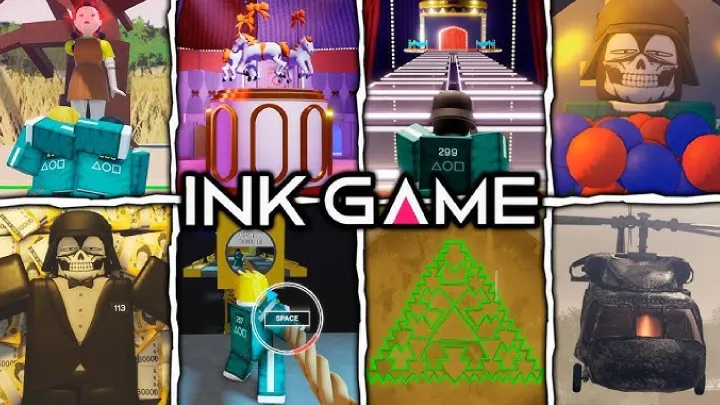
Ink Game is an engaging adaptation of the Squid Game series available on Roblox, developed by games i think. This game immerses players in a series of high-stakes challenges inspired by the original show's deadly games.

Rating

Graphics and Sound

4.5

Controls

4.5

Gameplay

4.5

Lasting Appeal

4.5

PROS

  • Engaging Gameplay: The game offers a variety of mini-games inspired by Squid Game, providing players with thrilling and competitive challenges.
  • High Stakes: The elimination mechanics create a tense atmosphere, enhancing the excitement of each match.
  • Customization Options: Players can personalize their avatars, allowing for individual expression and creativity within the game.
  • Community Interaction: As a Roblox title, the game benefits from user-generated content, leading to regular updates and new challenges based on player feedback.
  • Multiplayer Experience: The game encourages social interaction, enabling players to team up with friends or compete against others in a lively online environment.

CONS

  • Repetitive Gameplay: Some players may find the mini-games repetitive over time, potentially diminishing long-term engagement.
  • Monetization Concerns: There may be issues with in-game purchases or microtransactions for cosmetic items, which could affect player satisfaction.
  • Learning Curve: New players might face challenges in mastering the mechanics of each mini-game, leading to initial frustration.
  • Technical Issues: Like many Roblox games, players may encounter occasional glitches or performance issues that disrupt gameplay.
  • Limited Single-Player Content: The focus on multiplayer experiences may leave some players wishing for more single-player options or narrative-driven content.

Get Game Links from Digital Markets

All trademarks belong to their respective owners.

Latest Post

The Conveyor Collapse: How Item Congestion Breaks High-Level Progression in Match Factory

The Early Game Lies About Control In the early stages of Match Factory, players feel fully in control. Conveyors move slowly, item pools are small, and orders are forgiving. Every tap feels meaningful, and mistakes are easily corrected. This phase trains players to believe that the game is about recognition speed and planning. However, this belief becomes dangerous later, because the game subtly shifts from skill-based matching to system pressure through item overflow. The player’s learned habits stop working, not because they are wrong, but because the system no longer supports them. The False Promise of Mastery Early success conditions players to expect improvement over time. When later levels punish perfect play, the experience feels unfair rather than challenging. When Conveyors Become the Enemy The first real sign of trouble appears when conveyor speed increases without reducing item diversity. Items begin entering the play area faster than they can be meaningfully processed. At this point, players are no longer solving puzzles—they are reacting to a flood. Even optimal choices cannot prevent backup, because the input rate exceeds the maximum possible output rate without boosters. Speed Without Strategy Increasing speed alone does not increase difficulty intelligently. It removes breathing room, turning planning into panic. Item Variety as Artificial Difficulty High-level Match Factory stages introduce too many item types at once. Instead of testing pattern recognition, the game overwhelms the board with low-frequency items required in small quantities. This creates dead space: items that cannot be matched yet but occupy critical slots. Over time, these block high-frequency items, causing chain congestion that has nothing to do with player error. Why More Items Means Less Strategy When every item is rare, prioritization becomes meaningless. Players are forced to wait, not think. Order Design That Punishes Efficiency Late-game orders often require uneven quantities, such as one rare item and many common ones. This sounds reasonable, but combined with conveyor randomness, it creates impossible pacing. Efficient players clear common items quickly, only to be stuck waiting for rare ones while conveyors continue dumping unusable pieces. Ironically, playing well accelerates failure. The Efficiency Paradox The better you play, the faster you reach congestion. This reverses the reward loop that puzzle games depend on. The Board Space Illusion Match Factory gives the impression that board space is generous. In reality, usable space shrinks as item diversity increases. Each new item type effectively reduces functional capacity. Players feel they have room, but that room is filled with mismatched fragments that cannot be cleared yet. The board becomes visually full but mechanically useless. Why Space Stops Matter­ing A board is only as big as its ability to resolve matches. Unmatchable items are dead weight. Boosters as Structural Crutches At high levels, boosters are no longer optional—they are structural requirements. Without them, the game’s input-output imbalance cannot be resolved. This shifts boosters from tactical tools into mandatory systems. Players stop asking “when should I use this?” and start asking “how many do I need to survive this level?” From Strategy to Consumption When boosters fix design flaws instead of mistakes, monetization replaces mastery. Why Skill Plateaus Feel Like Failure Many experienced players blame themselves when they stall. They try to tap faster, plan harder, or memorize patterns. None of this helps, because the bottleneck is systemic. The game no longer responds to improved skill. This creates frustration rather than motivation. The Emotional Cost of Invisible Systems When games hide the real cause of failure, players internalize blame and burn out faster. Randomness vs Predictability Breakdown Random item generation works when players have tools to respond. At high levels, randomness combined with speed removes predictability entirely. Players cannot plan more than a few seconds ahead, because future board states depend on uncontrolled item floods. This undermines the core appeal of matching games. Why Chaos Is Not Challenge Challenge requires learnable patterns. Chaos only tests tolerance. Why Levels Feel the Same but Harder Late-game Match Factory levels often reuse layouts but increase pressure variables. This creates fatigue instead of engagement. Players recognize the structure but feel powerless within it. Familiarity becomes a source of frustration rather than comfort. Repetition Without Depth Difficulty scaling without new mechanics feels hollow, even when technically “harder.” How Item Congestion Pushes Players Away Item congestion does not create dramatic failure—it creates slow, inevitable loss. Levels feel doomed minutes before they end. This erodes trust. Players stop believing that success is possible through play alone, which is fatal for long-term retention. The Silent Quit Trigger Most players don’t rage quit Match Factory. They simply stop opening it.

Latest Reviews

Welcome to miugameh5.com, your compass for comprehenscoupled with the latest industry news. Our mission is to provide you with insightful analysis and valuable insights, enriching your digital journey.

© 2025 miugameh5.com - All Rights Reserved