.webp)




Introduction
Deadlock, Valve’s emerging hybrid between a hero shooter and a MOBA, introduces a gameplay structure where mechanical skill alone is not enough to secure victory. Instead, success is determined by how effectively players manage space, timing, and resources—especially during the early game. Among all phases, the laning stage stands as the most decisive foundation for long-term dominance.
Unlike traditional shooters where combat is immediate and constant, Deadlock forces players into a structured early phase where positioning, wave control, and calculated aggression define the outcome. Players who fail to understand this stage often find themselves permanently behind, regardless of their mechanical ability later in the match.
This guide focuses specifically on how to dominate early-game lane control in Deadlock. Rather than offering general advice, it breaks down the exact mindset, decisions, and patterns required to consistently win your lane and transition that advantage into a match-winning position.
1. Understanding What “Winning the Lane” Actually Means
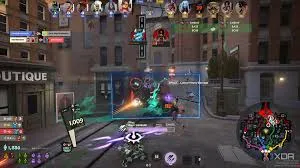
In Deadlock, many players mistakenly believe that winning the lane is equivalent to securing kills. In reality, the early game is not about elimination but about control. A player can achieve zero kills and still completely dominate their lane through superior resource management and positioning.
Winning the lane means establishing a consistent advantage in pressure. This includes forcing the opponent to retreat, controlling the flow of minion waves, and maintaining a safer position while denying the enemy opportunities to progress. It is about creating a situation where the opponent is constantly reacting rather than acting.
This shift in perspective is essential. Players who focus only on aggression often overextend and lose their advantage, while those who prioritize control build a stable foundation that carries into the mid game.
2. The Importance of Early Positioning
Positioning in Deadlock is not simply about avoiding damage. It determines who controls the pace of the lane. A player standing in the correct position forces their opponent into inefficient movement and poor decision-making.
During the early game, positioning should always be relative to the minion wave. Standing too far forward exposes you to unnecessary risk, while standing too far back gives up pressure. The optimal position is one that allows you to threaten the enemy while still maintaining a safe retreat path.
Over time, strong positioning creates psychological pressure. The opponent begins to hesitate, second-guessing their actions, which further increases your control over the lane.
3. Wave Control as the Core Mechanic
Wave control is arguably the most important yet misunderstood mechanic in Deadlock’s early game. Managing the minion wave determines where fights happen and who holds the advantage.
A player who constantly pushes the wave without thinking often ends up overextended. This creates vulnerability, making it easier for the enemy to punish mistakes. On the other hand, controlling the wave allows you to dictate the flow of the lane.
By keeping the wave closer to your side, you reduce risk while forcing the opponent into dangerous territory. Conversely, pushing the wave intentionally can create opportunities to rotate or apply pressure elsewhere. The key lies in understanding when to apply each approach rather than relying on a single pattern.
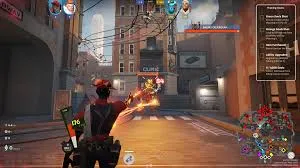
4. Trading Efficiency Over Raw Damage
One of the most common mistakes in Deadlock is focusing on dealing maximum damage instead of winning trades. A trade is not about how much damage you deal in one moment but about whether you come out ahead after the interaction.
Effective trading involves timing your attacks when the opponent is vulnerable. This often occurs after they use an ability or commit to an action such as collecting resources. Short, controlled engagements are far more valuable than extended fights that expose you to unnecessary risk.
Over time, consistent winning trades gradually weaken the opponent, forcing them to play defensively. This creates a snowball effect where your control becomes increasingly difficult to contest.
5. Cooldown Awareness and Timing Windows
Deadlock heavily rewards players who understand ability timing. Every ability used creates a temporary window of vulnerability, and recognizing these windows is key to gaining an advantage.
When an opponent uses an important ability, they lose a portion of their defensive or offensive capability. This is the moment to apply pressure. Conversely, engaging without your own abilities available often results in losing trades or being forced to retreat.
This constant awareness transforms the lane into a rhythm of action and reaction. Players who master this rhythm control the tempo of the game, dictating when fights occur and when they do not.
6. Resource Control and Denial
Resources in Deadlock are not just a means of progression; they are a battleground. Every resource collected strengthens one player while simultaneously representing an opportunity denied to the other.
Dominating the lane involves more than gathering resources efficiently. It requires actively disrupting the opponent’s ability to do the same. This can be achieved through pressure, positioning, and well-timed aggression.
Over time, even small advantages accumulate. A slight lead in resources can translate into stronger abilities, better survivability, and increased control, creating a gap that becomes increasingly difficult to close.
7. Balancing Aggression and Discipline
Aggression is necessary to win the lane, but uncontrolled aggression often leads to failure. The most effective players understand when to push forward and when to hold back.
Every decision to engage should be based on clear factors, including health, cooldowns, and positioning. Acting without considering these elements often results in unnecessary risk.
Discipline ensures consistency. Instead of chasing risky plays, disciplined players maintain their advantage and wait for optimal opportunities. This approach may seem less dramatic, but it is far more effective over the course of a match.
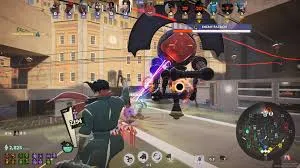
8. Reading Opponent Behavior
Deadlock is not just a mechanical game; it is a psychological one. Each player develops patterns, and recognizing these patterns allows you to predict their actions.
Some players become overly aggressive when low on health, while others retreat too early. Identifying these tendencies enables you to exploit them, turning predictable behavior into a strategic advantage.
Over time, this creates a mind game where both players attempt to outthink each other. The ability to read and adapt to your opponent often determines the outcome of the lane.
9. Transitioning Advantage into Map Pressure
Winning the lane is only valuable if you convert that advantage into broader impact. Many players dominate early but fail to influence the rest of the map.
Once you establish control, you should begin to extend your influence. This may involve rotating to assist teammates, securing objectives, or applying pressure in multiple areas.
The key is timing. Leaving the lane at the wrong moment can undo your advantage, while a well-timed rotation can amplify it significantly. Understanding this transition separates strong players from truly impactful ones.
10. Avoiding the Most Common Early Game Mistakes
Even skilled players lose lanes due to avoidable mistakes. Overextending without awareness, ignoring wave control, and engaging without proper resources are among the most frequent errors.
These mistakes often stem from impatience. Players seek immediate results rather than building a steady advantage. However, Deadlock rewards consistency over impulsiveness.
By focusing on minimizing errors rather than forcing plays, players can maintain control and gradually overwhelm their opponents. Avoiding mistakes is not passive play; it is a deliberate strategy that ensures long-term success.
Conclusion
Mastering early-game lane control in Deadlock is less about flashy mechanics and more about disciplined decision-making. Positioning, wave management, trading efficiency, and psychological awareness all contribute to a structured approach that consistently yields results. Players who understand these elements can dictate the pace of the game from the very beginning, creating advantages that extend far beyond the laning phase.
Ultimately, Deadlock rewards those who think ahead. The early game is not just a starting point but a foundation. Those who build it correctly do not merely survive the match—they control it.