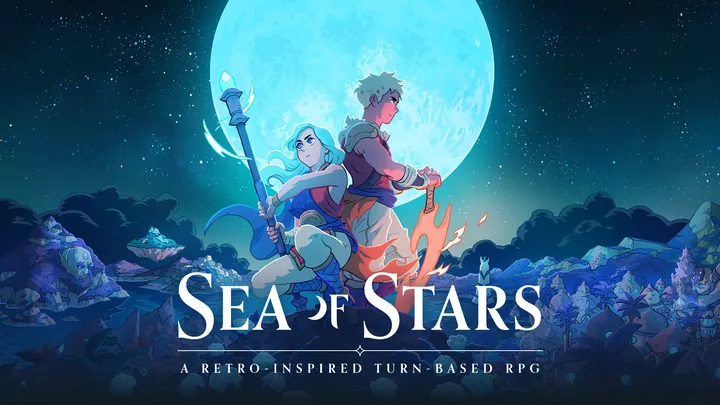

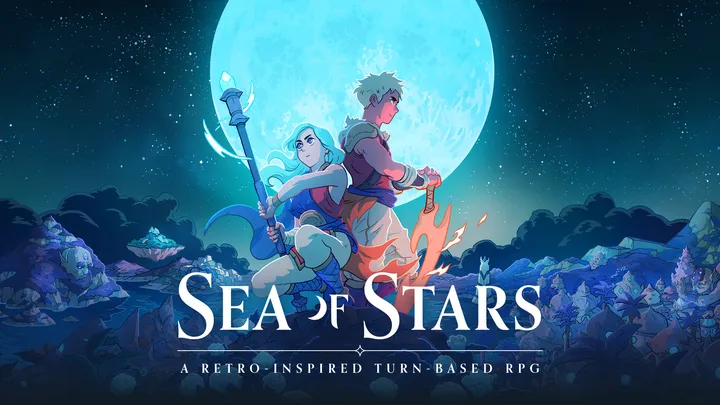


In Sea of Stars, combat is not about raw grinding or overpowering enemies—it’s about control. The game’s system revolves around timing, resource management, and one of its most defining mechanics: locks. Many players struggle not because enemies are too strong, but because they fail to understand how combat flows from turn to turn.
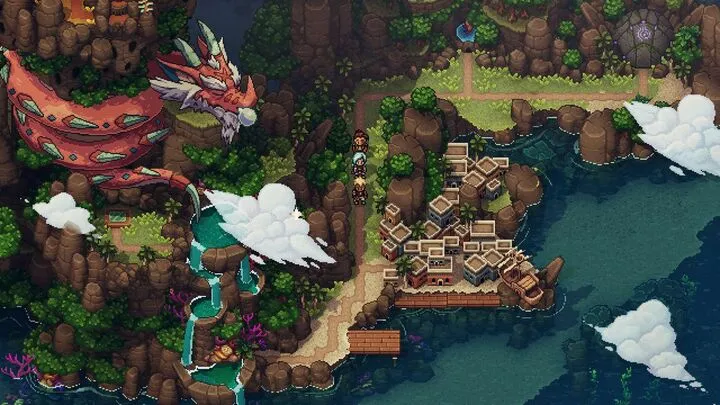
This guide dives deeply into a specific “how to” topic: how to fully master combat flow, including lock-breaking, mana usage, combo timing, and turn optimization. Rather than giving surface-level tips, this article breaks down how to think like the game expects you to—progressing from early encounters to late-game mastery.
Understanding the Core Combat Loop
The Rhythm of Turn-Based Flow
Combat in Sea of Stars follows a predictable but flexible rhythm:
- Player turn → Enemy preparation → Lock phase → Execution
Each enemy telegraphs attacks through icons (locks), giving you a chance to interrupt them.
The key idea: combat is proactive, not reactive.
Why Basic Attacks Matter
Many players underestimate normal attacks, but they are essential because they:
- Restore mana (MP)
- Charge combo energy
- Maintain tempo
Ignoring basic attacks leads to resource starvation.
How Lock-Breaking Defines Every Battle
What Locks Actually Represent
Locks are not just shields—they represent enemy intentions. Each icon corresponds to a required damage type.
If you fail to break them, the enemy executes a powerful attack.
Reading Lock Patterns
To break locks efficiently:
- Identify required elements (Sun, Moon, physical types)
- Count how many hits are needed
- Assign characters accordingly
Lock-Breaking Checklist
- Always prioritize locks over damage
- Plan turns ahead
- Avoid wasting multi-hit skills early
Mastering locks is the foundation of advanced play.
Managing Mana Without Running Out
The Importance of MP Economy
MP (mana) fuels your strongest abilities, but it is limited. Poor management leads to weak turns.
Efficient MP Usage
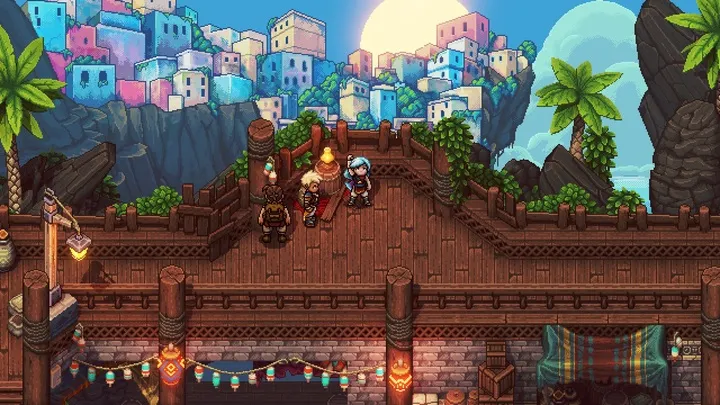
To maintain mana:
- Use basic attacks regularly
- Absorb energy from the battlefield (timed hits)
- Avoid overcasting skills
MP Strategy Rules
- Spend MP only when necessary
- Save for lock-breaking or emergencies
- Balance between offense and recovery
Good MP management ensures long-term survival.
Timing-Based Attacks and Defense Mastery
Why Timing Matters
Sea of Stars includes active timing mechanics. Pressing buttons at the right moment enhances attacks and reduces damage taken.
Offensive Timing
Benefits include:
- Increased damage
- Additional hits
- Faster combo generation
Defensive Timing
Blocking at the right moment:
- Reduces incoming damage
- Helps survive failed lock phases
Practice Method
- Watch animation cues carefully
- Learn timing per character
- Stay consistent rather than rushing
Timing separates average players from advanced ones.
Building and Using Combo Attacks Efficiently
How Combos Work
Combo points build through normal actions and can be spent on powerful team abilities.
These attacks are often:
- Multi-target
- Multi-element
- High damage
When to Use Combos
Best situations:
- Breaking multiple locks
- Finishing strong enemies
- Recovering from bad turns
Combo Optimization
- Do not waste combos on weak enemies
- Save for critical moments
- Align with enemy attack phases
Combos are your emergency tools—use them wisely.
Understanding Character Roles in Combat
Each Character Has a Purpose
Your party is designed with complementary roles:
- Zale → Sun damage, balanced offense
- Valere → Moon damage, control and utility
- Others → Support, healing, hybrid roles
Role-Based Strategy
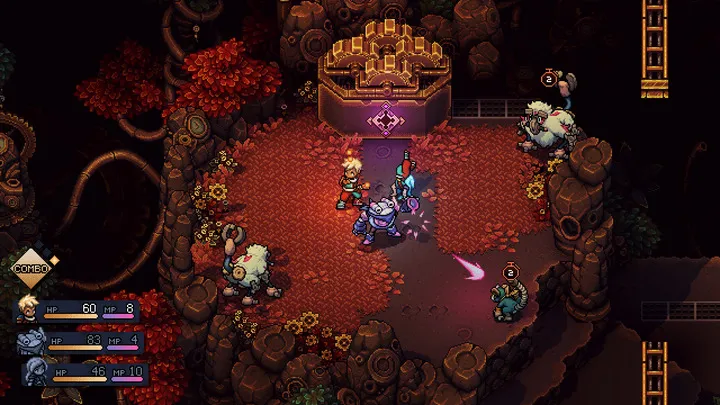
To optimize:
- Assign characters based on lock requirements
- Rotate roles depending on enemy type
- Avoid over-relying on one character
Balanced Team Usage
A strong player uses everyone efficiently, not just one main attacker.
Midgame Combat: Handling Multiple Enemies
Managing Chaos
Midgame introduces battles with multiple enemies, each with different locks.
This creates overlapping threats.
Target Priority System
Always decide:
- Which enemy attacks first
- Which has the most dangerous ability
- Which locks are easiest to break
Multi-Enemy Strategy
- Focus on one enemy at a time
- Interrupt the most dangerous attacks
- Use AoE skills when efficient
Control is more important than speed.
Advanced Lock Strategies and Turn Planning
Thinking Ahead
Late-game combat requires planning 2–3 turns in advance.
Ask yourself:
- Can I break all locks this turn?
- If not, which ones matter most?
- Should I delay actions for better alignment?
Partial Lock-Breaking
Sometimes you cannot break all locks.
In that case:
- Break as many as possible
- Reduce incoming damage
- Prepare defensive timing
Turn Optimization Rules
- Never waste actions
- Always consider next turn
- Maintain flexibility
Planning turns is the highest-level skill.
Surviving Boss Fights
Boss Mechanics Are Lock-Centric
Bosses rely heavily on lock systems, often requiring precise execution.
Boss Strategy Framework
- Study attack patterns
- Save combos for critical turns
- Manage MP carefully
Boss Survival Checklist
- Keep HP stable
- Always prepare for next lock phase
- Do not panic when missing a lock
Consistency wins boss fights.
Late-Game Combat Mastery
Perfecting Flow
At high levels, combat becomes a smooth cycle:
- Attack → Build resources → Break locks → Repeat
Avoiding Mistakes
Common late-game errors:
- Overusing MP
- Ignoring timing
- Mismanaging combos
Mastery Mindset
To truly master combat:
- Stay calm under pressure
- Trust your planning
- Adapt to each fight
The system rewards precision, not aggression.
Conclusion
Sea of Stars offers one of the most refined turn-based combat systems in modern RPGs, but its depth lies beneath its simplicity. By mastering lock-breaking, managing resources, timing actions, and planning turns ahead, players can transform every battle from chaotic struggle into controlled execution.
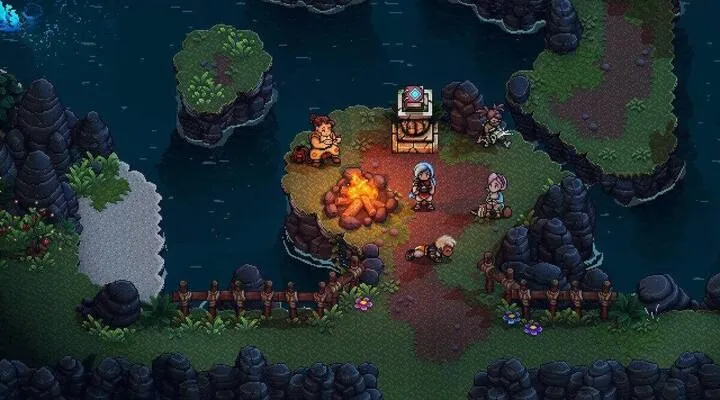
The key is understanding that every action has purpose. Combat is not about reacting—it is about anticipating. Once you align your strategy with the game’s rhythm, even the toughest encounters become manageable.
In the end, mastery comes not from power, but from control—and Sea of Stars rewards those who learn to command its flow.